
As a landlord, you have several responsibilities and chief among them is providing an energy-efficient home for tenants to enjoy. As of 2030, the majority of rental properties in your portfolio must achieve a minimum EPC rating of C. By 2050, they will need to have a rating of B at least.
Since 2020, an E rating has been deemed suitable, but as part of the national commitment to reduce emissions and energy costs, and improve tenant living conditions, things are changing. Initially, this may mean landlords spend more to bring their properties up to standard, but the long-term benefits could see you avoid costly fines and see increased demand for your properties.
In this blog, we explore the EPC regulations for landlords and explain what you need to do now, what you need to plan and whether any of your properties would be exempt from the necessary changes.
What is an EPC?
It’s likely you already know this answer, after all, every property needs one. So whether you’ve been a homeowner, a tenant or a landlord, you’ve more than likely stumbled across an EPC.
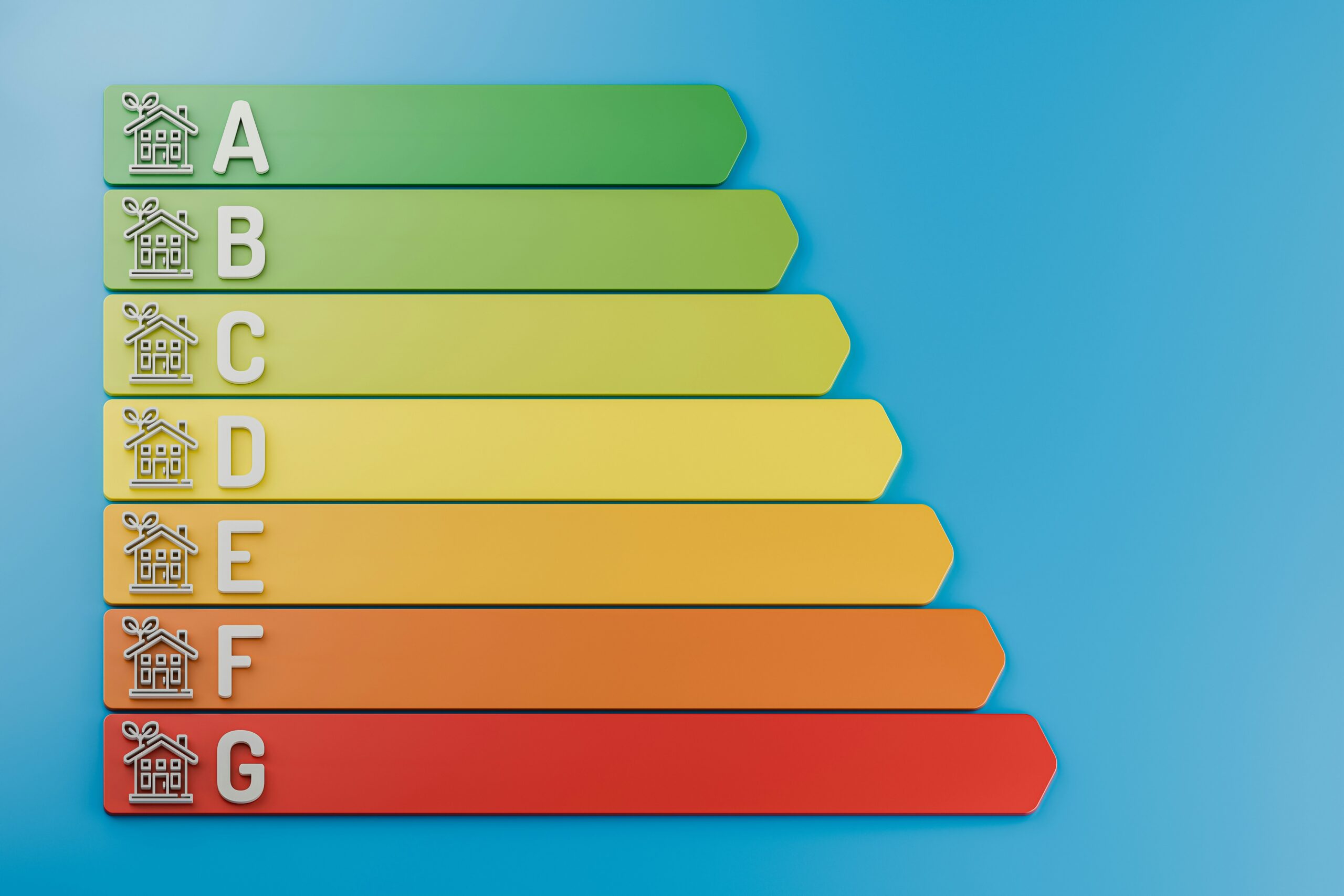
An EPC, or Energy Performance Certificate, provides a rating from A-G of the energy efficiency of a property. An A rating means the property is extremely efficient, and a G means the property is not very energy efficient at all. The EPC provides the relevant grade and offers insights into the property’s energy use, as well as containing recommendations to make the home more energy efficient.
For landlords, an EPC is a legal requirement when marketing or letting a property.
What are the current EPC regulations for landlords?
At present, you must ensure properties in your rental portfolio achieve an EPC rating of at least an E. This applies to new tenancies and renewals.
Properties with ratings of F or G are currently deemed sub-standard and are not allowed to be made available for rent. In fact, it’s illegal to rent homes with these ratings, and landlords can face significant fines if they fail to comply.
Why are EPC regulations changing?
There is a global focus on carbon emissions, and many countries have taken a positive stance to tackle rising bills, pollution and the drain on natural resources. In the UK, the government has committed to reducing emissions and improving energy efficiency.
With many renters enduring fuel poverty due to escalating bills in poor-quality properties, the government wants to help drag people out of rising debt, cold homes and unsafe conditions.
Why these changes matter for landlords
These changes to EPC regulations have both commercial and regulatory implications for landlords. By 2030, it will be the law to meet these standards; failing to do so could incur fines of up to £5,000 per property.
From a commercial perspective, having a home that actively demonstrates energy efficiency means that, even pre-2030, you are more likely to find tenants willing to sign long-term tenancy agreements. More and more renters are studiously checking the EPC ratings of properties before renting, eager to see that they won’t be stung by high bills or live in properties that don’t offer sufficient warmth or comfort.
By tackling the changes to EPC regulations early, landlords can potentially solidify long-term rental income. Furthermore, if you require a buy-to-let mortgage to help finance your portfolio, you may find your finance options restricted if you do not demonstrate suitable energy efficiency within your properties.
How much will it cost a landlord to improve their EPC ratings?
This will inevitably incur some costs. How much will vary depending on the type of property, its size, age and condition. Whilst all properties are different, and some are even exempt, the expected cost of upgrading a property with a D rating to a C rating is around £6,000-£10,000. Properties with substantial issues or older properties will see costs exceed this quite considerably.
For some landlords, a gradual approach is best so costs can be spread rather than incurred all at once.
Do all rental properties need to have a C rating by 2030?
No, not all rental properties will need to meet the C EPC rating by 2030. If you own any of the property types listed below, you will need to register them with the Private Renters Sector Exemptions Register to remain exempt. Evidence supporting your claim for exemption will be required, and your property will be assessed to ensure it meets the desired requirements.
Properties exempt from the 2030 EPC regulations include:
- Listed buildings, where energy improvements would harm historic character.
- Properties where the cost of improvement exceeds a statutory cap and no cost-effective measures exist.
- Short-term lets (e.g., properties let for under four months per year).
- Certain hard-to-treat properties where improvements are impractical.
What should landlords do to be ready for 2030 EPC compliance?
At this stage, preparation is key. By following a few simple steps, costs can be kept low, and compliance achieved with gradual changes rather than a last-minute spend on rectifying any issues your property may exhibit.
1. Commission an EPC Assessment
Start with a current and accurate EPC. This will identify where the property stands and highlight specific improvements recommended by accredited assessors.
2. Plan and Prioritise Upgrades
Focus first on high-impact, cost-effective measures such as loft and wall insulation, modern boilers or heat pumps, draught proofing, and efficient glazing. Prioritise according to cost, tenant benefit, and likely impact on the EPC score.
3. Budget and Phase Work
Spread investment over time where possible. Early improvement projects can be carried out between tenancies to minimise disruption and spread costs.
4. Explore Funding, Grants and Incentives
While schemes like the Green Homes Grant have been discontinued, the Energy Company Obligation (ECO) and local authority grants still offer support, especially in lower-income housing. Some lenders also offer green mortgage incentives.
5. Keep Detailed Records
Maintain clear documentation of all assessments, upgrade works, invoices, and any exemptions claimed. Should enforcement enquiries arise, thorough records provide essential evidence of due diligence.
6. Request a new EPC assessment
Once all the work has been completed, have your property reassessed to see that it achieves the desired EPC rating. If it does, then you’ll be fully compliant. If it doesn’t, you’ll still have a little work to do.
EPC regulations are evolving and will significantly shape the UK rental sector over the coming decade. While the 2030 minimum EPC C standard poses challenges, it also offers landlords an opportunity to future-proof their portfolios, enhance tenant satisfaction, and align with broader energy-efficiency and environmental goals.
Proactive planning, realistic budgeting, and early action will help landlords avoid penalties, attract high-quality tenants, and make the most of their property investments in a market increasingly valuing energy performance.
If you are a landlord looking with property to rent in Epsom and the surrounding areas, contact our team at Cairds. We are an award-winning independent estate agent with years of experience in helping landlords find tenants for their properties. Our comprehensive landlord services ensure your property is well-marketed and prepared to make it appealing to your ideal tenants.